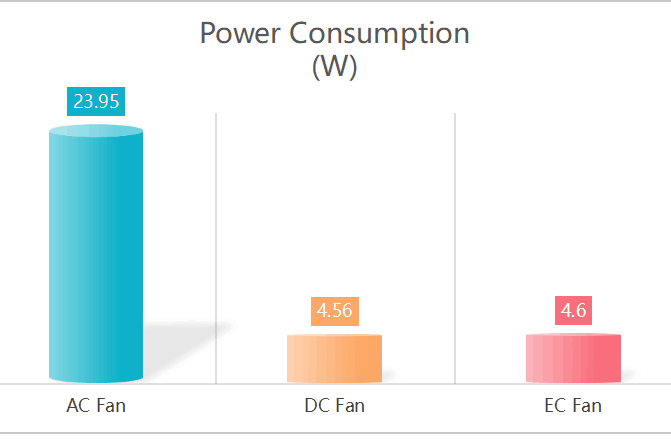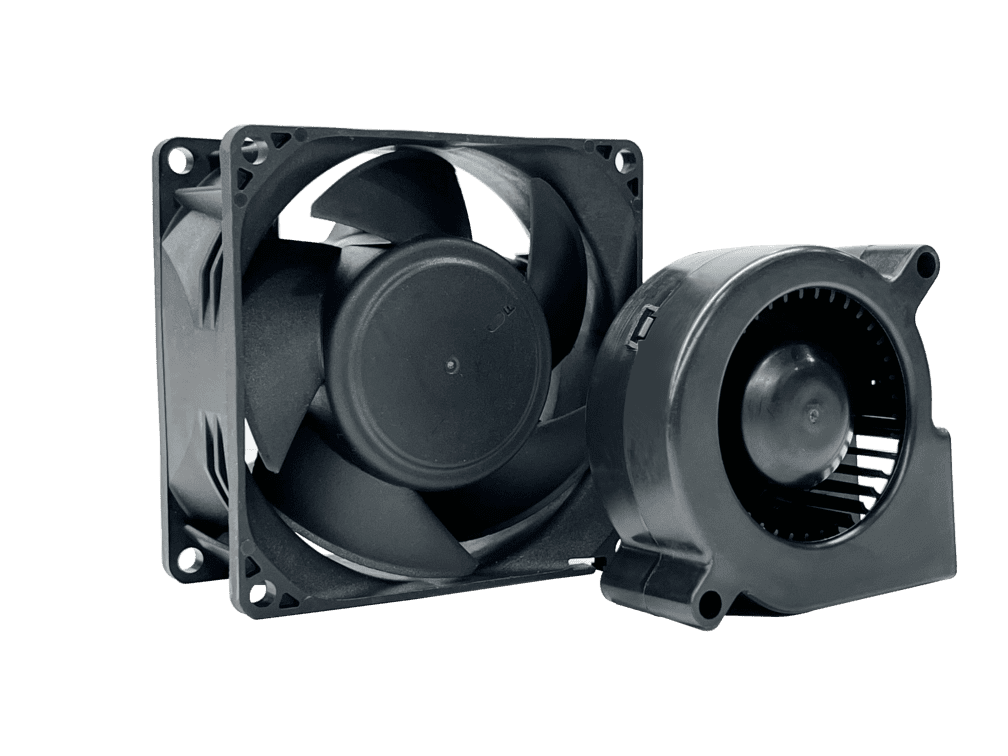

Choosing the right DC axial fan is critical for cooling electronic equipment effectively, as it ensures optimal performance while preventing overheating. CCHV offers high-quality fans designed specifically for this purpose, combining efficiency, durability, and compatibility with various devices. Selecting a fan tailored to your specific cooling needs is essential for reliability and long-term functionality.
What is DC Axial Fan?
Block 1: The Snippet Answer
DC axial fans are compact, electrically powered devices designed to move air efficiently in a linear direction, making them ideal for cooling electronic equipment.
Core Functionality and Design
DC axial fans operate by utilizing direct current (DC) power to drive a motor that spins an optimized set of blades. These blades are engineered to draw air in parallel to the fan’s axis, ensuring efficient airflow. Their compact design makes them suitable for confined spaces like electronic enclosures.
Based on our internal data and market analysis, here is the breakdown:
| Feature | Description | Benefit |
|---|---|---|
| Power Source | Direct Current (DC) | Energy-efficient operation |
| Airflow Direction | Axial (linear flow) | Optimal cooling for electronics |
| Compact Design | Slim and lightweight | Fits in tight spaces |
| Noise Levels | Low operational noise | Suitable for quiet environments |
CCHV Pro Tip: When selecting an axial fan, prioritize models with high airflow ratings (measured in CFM) to ensure sufficient cooling for your devices.
How Does DC Axial Fan Work?
Block 1: The Snippet Answer
DC axial fans work by converting electrical energy into mechanical motion to rotate blades that generate airflow, cooling electronic components efficiently.
Operating Mechanism
The fan motor receives DC power, which initiates the rotation of its blades. Air is pulled through the fan parallel to the axis of rotation, creating a steady stream of cooling airflow. The speed and airflow are controlled by varying voltages or using pulse-width modulation (PWM).
Key Operational Steps:
- Power Supply: Connect the DC fan to a compatible power source.
- Motor Activation: The motor begins driving the blades.
- Airflow Generation: Blades create axial airflow for cooling.
- Speed Adjustment: Manage performance using voltage or PWM control.
CCHV Pro Tip: Ensure the fan’s voltage rating matches your power supply to avoid damage or inefficiency.
What are the Benefits of DC Axial Fan?
Block 1: The Snippet Answer
DC axial fans provide efficient airflow, low energy consumption, and quiet operation, making them ideal for cooling sensitive electronic equipment.
Advantages of DC Axial Fans
DC axial fans are engineered for efficiency and reliability, offering numerous benefits for electronic cooling applications. These include:
- Energy Efficiency: Consumes minimal power due to DC operation.
- Compact Size: Easily fits into tight spaces.
- Quiet Performance: Operates with low noise levels.
- Durable Components: Designed for long-term use in demanding environments.
Comparison of Key Benefits:
| Benefit | Description |
|---|---|
| Energy Efficiency | Reduced power consumption |
| Compact Design | Space-saving for electronics |
| Low Noise | Quiet operation for sensitive areas |
| Longevity | Reliable performance over time |
CCHV Pro Tip: Opt for fans with advanced brushless motors for enhanced durability and reduced maintenance requirements.
How to Maintain a DC Axial Fan?
Block 1: The Snippet Answer
Regular cleaning, proper lubrication, and voltage checks are essential for maintaining DC axial fans and ensuring their longevity.
Maintenance Process
Maintaining your DC axial fan is crucial for optimal performance and extended lifespan. Follow these steps:
- Inspection: Check for dust accumulation and wear.
- Cleaning: Use compressed air or a soft brush to clean the blades and housing.
- Lubrication: Apply suitable lubricant to the motor if required.
- Voltage Check: Ensure the fan operates within its rated voltage range.
- Replacement: Replace worn components promptly.
CCHV Pro Tip: Schedule periodic maintenance every three months, especially in high-dust environments.
Key Features & Comparison
Block 1: The Snippet Answer
Key features of DC axial fans include energy efficiency, compact design, low noise levels, and high reliability, making them indispensable for electronics cooling.
Feature Comparison Table
Based on our internal data and market analysis, here is the breakdown:
| Feature | CCHV Model A | Competitor X | Competitor Y |
|---|---|---|---|
| Airflow (CFM) | 80 | 70 | 75 |
| Noise Level (dB) | 25 | 30 | 28 |
| Voltage Range (VDC) | 12-24 | 12 | 12-18 |
| Price ($) | 35 | 30 | 32 |
CCHV Pro Tip: Choose CCHV fans for their superior airflow and quieter operation, especially for sensitive applications.
Cost & Buying Factors
Block 1: The Snippet Answer
Consider size, airflow requirements, noise levels, and compatibility when selecting a DC axial fan for your electronic equipment.
Buying Guide
When purchasing a DC axial fan, keep the following factors in mind:
- Size Requirements: Match the fan’s dimensions to your enclosure.
- Performance Metrics: Check CFM and noise ratings to ensure suitability.
- Voltage Compatibility: Ensure compatibility with your power source.
- Brand Quality: Opt for reliable manufacturers like CCHV.
CCHV Pro Tip: Always verify warranty terms and customer support options for hassle-free ownership.
Conclusion
DC axial fans are essential for cooling electronic equipment, delivering efficient airflow and quiet operation. CCHV offers premium options designed for reliability and performance. To ensure optimal cooling, evaluate airflow capacity, noise levels, and compatibility carefully before purchasing. For expert recommendations and tailored solutions, consider consulting with CCHV professionals.